
Nutrient-Rich Meals for Women
Transform your health with specialized nutrition designed specifically for women's unique biological needs and wellness goals.
The information on this site is for educational purposes only and does not constitute medical advice. Always consult a qualified healthcare professional before making health decisions.
Key Health Benefits by Numbers
Women Report Improved Energy Levels
When following consistent nutrient-rich meal plans tailored to their needs
Typical Adjustment Period
Body adapts to optimized nutrition and nutrient intake patterns
Essential for Women's Health
Including iron, calcium, folate, and omega-3 fatty acids
Recommended Daily Intake
Varies by age, activity level, and individual health goals
Why Women Need Specialized Nutrition
Women's nutritional requirements differ significantly from men's due to biological differences, hormonal cycles, and life stages. From adolescence through menopause and beyond, the body's nutrient needs change dramatically, requiring tailored meal planning and nutrient focus.
Specialized nutrition addresses unique challenges such as iron absorption, bone density maintenance, hormonal balance, and reproductive health. A well-designed meal plan accounts for these factors and supports overall wellness, energy levels, and long-term health outcomes.
-
Hormonal Balance Support
Nutrients that support estrogen, progesterone, and thyroid function
-
Iron & Oxygen Transport
Enhanced iron intake and absorption strategies critical for women
-
Bone Health Priority
Calcium and vitamin D to prevent osteoporosis later in life
-
Cardiovascular Wellness
Nutrients supporting heart health and healthy cholesterol levels
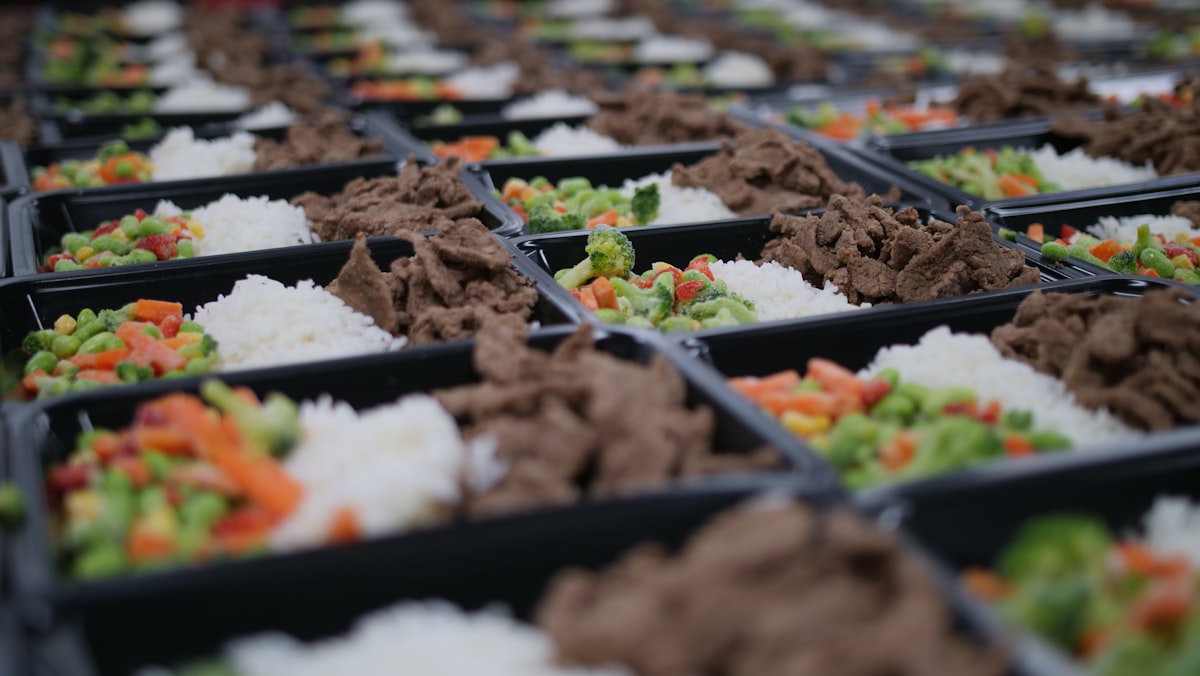
Sample Meal Gallery

Iron-Rich Buddha Bowl
Spinach, chickpeas, quinoa, pumpkin seeds, and tahini dressing for iron and plant-based protein
Perfect for: Energy support, plant-based diets, iron absorption
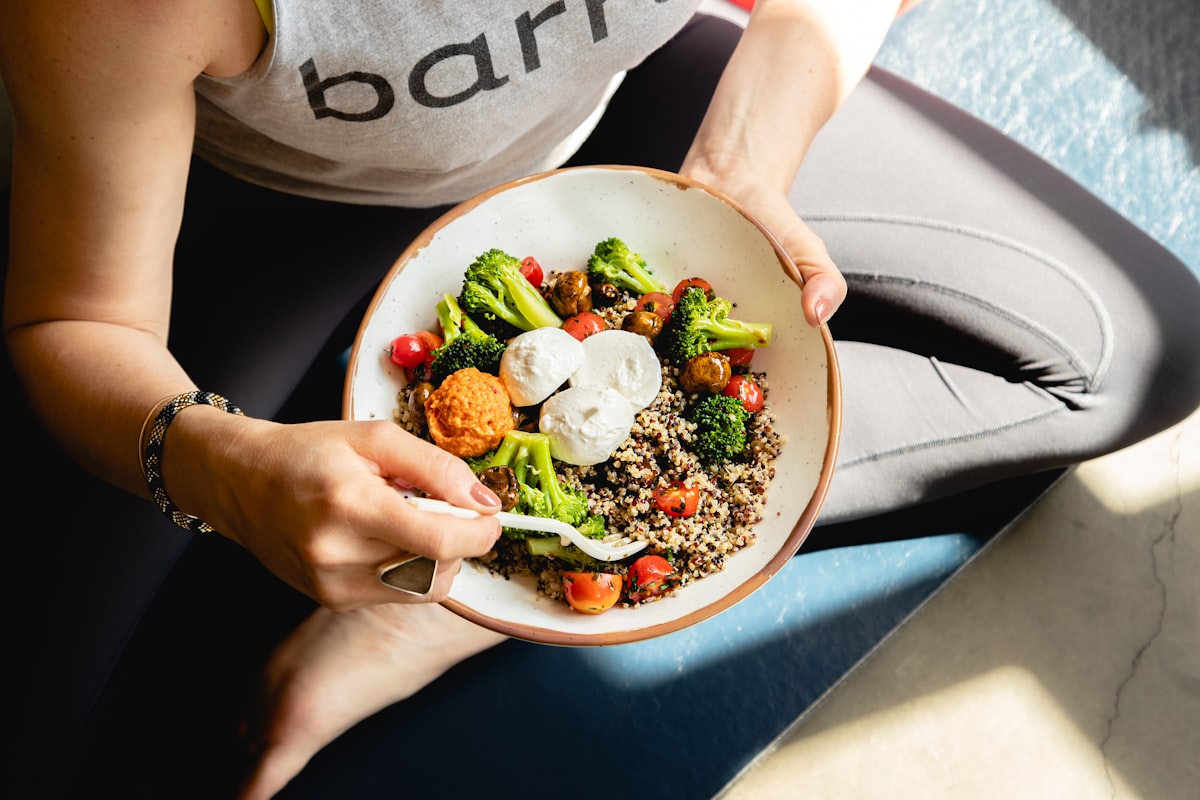
Omega-3 Salmon Bowl
Wild-caught salmon, sweet potato, broccoli, and olive oil for cardiovascular and brain health
Perfect for: Heart health, inflammation reduction, omega-3s
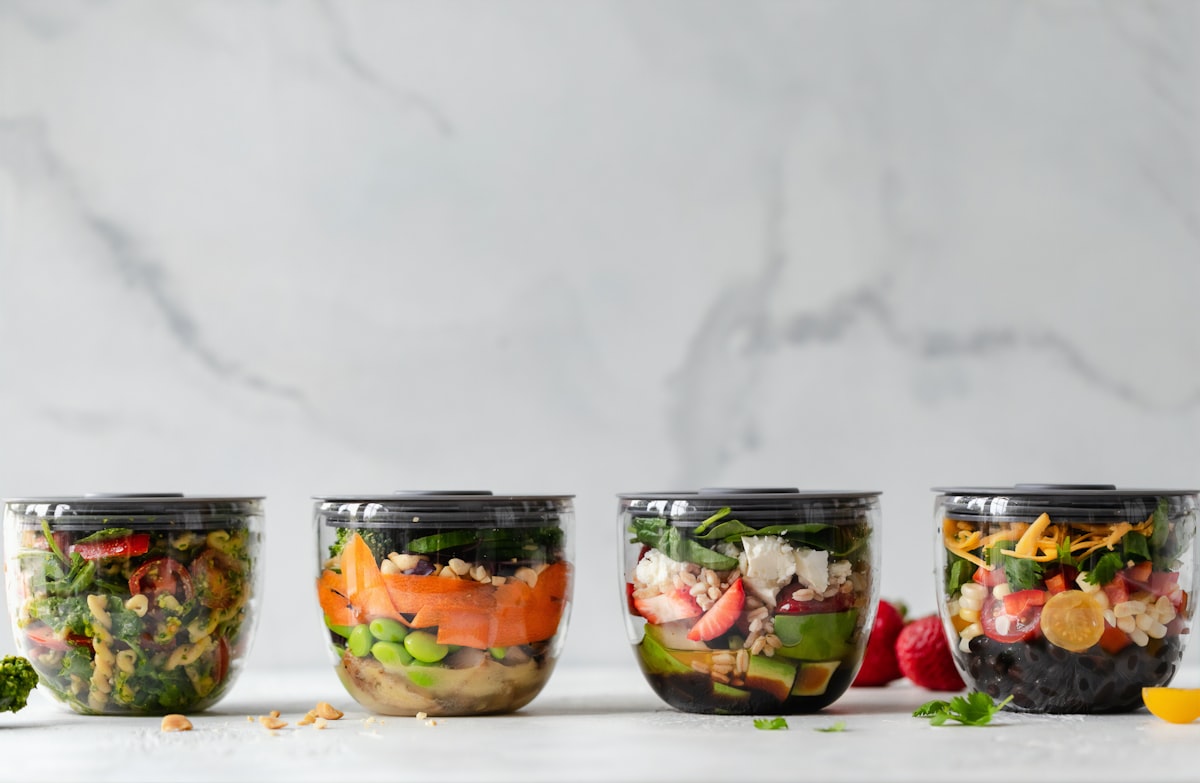
Calcium-Boost Salad
Kale, almonds, sunflower seeds, feta cheese, and lemon vinaigrette for bone and dental health
Perfect for: Bone density, mineral absorption, gut health

Antioxidant Breakfast Bowl
Rolled oats, blueberries, acai, walnuts, and almond butter for hormone support and sustained energy
Perfect for: Morning energy, antioxidant protection, hormone balance

Plant-Powered Buddha Bowl
Lentils, brown rice, roasted beets, tahini, and fresh herbs for complete amino acids and folate
Perfect for: Reproductive health, energy, complete proteins

Mediterranean Nutrient Bowl
Chickpeas, tomatoes, cucumber, olives, and feta with olive oil for heart and digestive wellness
Perfect for: Cardiovascular health, antioxidants, fiber intake
Core Nutrition Features
Whole Food Foundation
Meals built around unprocessed, nutrient-dense whole foods including fresh vegetables, fruits, legumes, whole grains, and quality proteins. Every ingredient contributes measurable nutritional value.
Hormone-Conscious Planning
Nutrition strategies that account for hormonal cycles, menstrual health, and life stages. Foods selected to support natural hormone production and balance throughout the month and across decades.
Performance & Recovery
Macronutrient ratios designed to support athletic performance, muscle recovery, and metabolic function specific to women's physiology and training needs.
Brain & Mood Support
Nutrients including omega-3 fatty acids, B vitamins, magnesium, and antioxidants that support cognitive function, emotional wellness, and mental clarity throughout daily life.
Science-Based Ratios
Evidence-supported nutrient ratios and meal timing backed by nutritional research and women's health studies. Balances carbohydrates, proteins, and healthy fats for optimal wellness.
Practical & Delicious
Meals that taste great and fit real life. No restrictive diets, just flavorful recipes and flexible approaches to eating well consistently without stress or sacrifice.
How to Build Your Nutrient-Rich Nutrition Plan
Assess Your Current Nutrition
Start by understanding your current eating patterns, nutritional intake, and health goals. Track your typical meals for 3-5 days to identify nutrient gaps, eating habits, and areas for improvement. Note energy levels, digestion, and any specific health concerns to address.
Identify Your Key Nutrient Needs
Determine which nutrients matter most for your life stage and health goals. Are you focused on bone health, reproductive wellness, energy levels, cardiovascular function, or athletic performance? Prioritize the 4-5 nutrients most relevant to your situation and build meals around them.
Stock Quality Ingredients
Build a pantry with nutrient-dense staples: leafy greens, colorful vegetables, legumes, whole grains, quality proteins, healthy fats, and fresh herbs. Choose organic when possible for produce that absorbs significant pesticides. Keep frozen vegetables on hand as convenient, nutrient-rich alternatives.
Plan & Prepare Weekly Meals
Dedicate time each week to plan 4-5 nutritious meals and prepare components in advance. Cook grains and legumes in batch, chop vegetables, prepare proteins. This removes barriers to eating well and ensures you have nutrient-rich options readily available when hunger strikes.
Success Stories from Our Community
Following a nutrient-rich meal plan tailored to my needs has completely transformed how I feel. My energy levels are consistent throughout the day, my skin looks clearer, and I finally understand what real nutrition feels like. The articles on women's specific needs were eye-opening.
Sophie Martin
Paris, France
I was struggling with hormonal imbalances and fatigue. Learning about which nutrients support hormonal health changed everything. The meal ideas are practical and delicious—my whole family has started eating better. I recommend these resources to everyone.
Claire Dubois
Lyon, France
As an athlete, I need serious nutrition information. This resource finally addresses how women's bodies process nutrition differently. My recovery is better, my performance has improved, and I feel supported in my fitness journey. Worth every moment of attention.
Amélie Rousseau
Bordeaux, France
Stay Updated on Women's Nutrition
Get the latest articles, meal ideas, and nutritional insights delivered to your inbox.
Frequently Asked Questions
The most critical nutrients for women's health include:
- Iron: Essential for oxygen transport, especially critical during menstruating years
- Calcium & Vitamin D: Build and maintain bone density to prevent osteoporosis
- Folate: Supports reproductive health and cell division
- Omega-3 Fatty Acids: Reduce inflammation and support heart and brain function
- B Vitamins: Support energy production, mood, and nervous system health
- Magnesium: Helps regulate hormones, sleep, and muscle function
Nutritional needs evolve significantly across different life stages:
Adolescence & Young Adulthood: Higher caloric and iron needs due to menstruation; focus on bone-building nutrients for peak bone mass.
Reproductive Years: Emphasis on iron, folate for fertility support; management of hormonal fluctuations through nutrition.
Perimenopause & Menopause: Increased calcium and vitamin D; antioxidants to manage hormone changes; focus on cardiovascular health.
Postmenopause: Continued bone health support; increased focus on heart health and disease prevention; adjusted caloric needs.
Plant-based iron (non-heme iron) is less readily absorbed than animal-based iron, but several strategies maximize uptake:
- Combine iron-rich foods with vitamin C sources (citrus, peppers, tomatoes)
- Cook in cast-iron cookware to increase dietary iron
- Focus on legumes, lentils, chickpeas, fortified cereals, nuts, and seeds
- Eat iron-rich foods separately from calcium-rich foods, which can inhibit absorption
- Consider spacing tea and coffee away from iron-rich meals
The articles in our blog section provide specific meal combinations to maximize plant-based iron absorption.
Hormonal fluctuations during the menstrual cycle create different nutritional needs:
Follicular Phase (Days 1-14): Estrogen rising, higher calorie tolerance; focus on energizing carbs and light meals; iron becomes especially important post-period.